The Invisible Edge: How Intangibles Elevate Basketball Performance
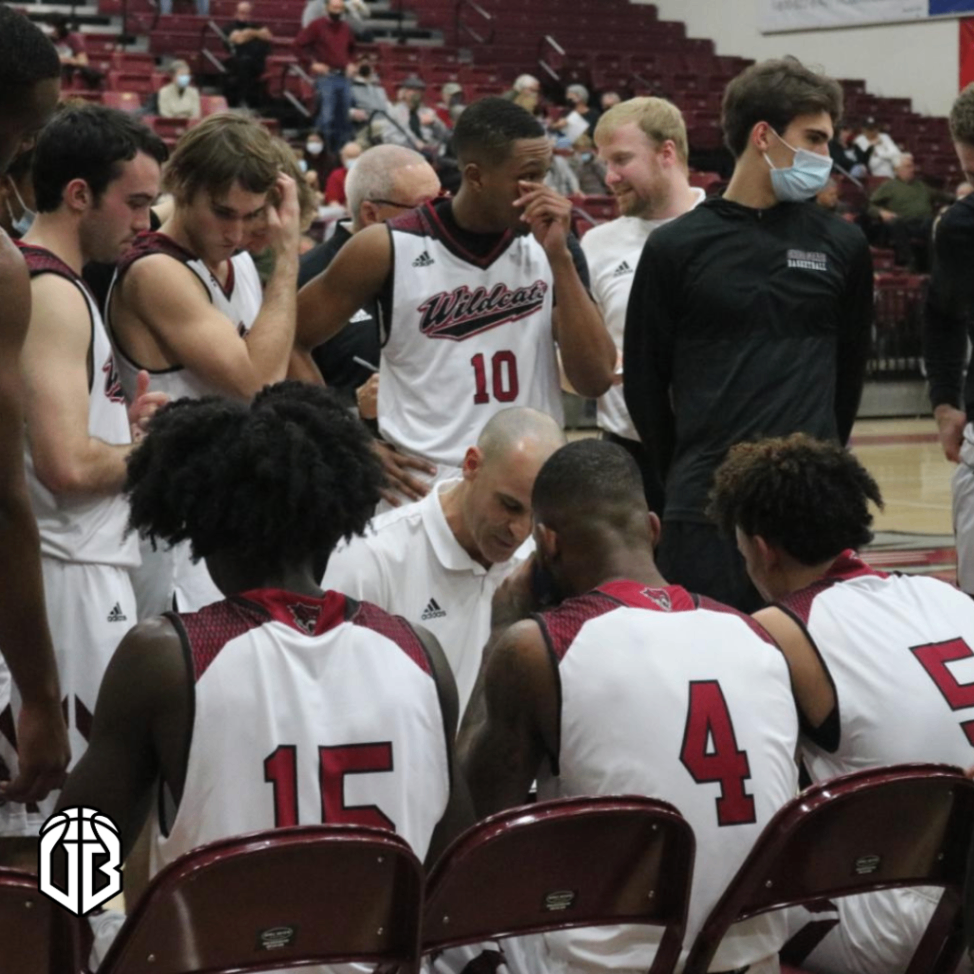
Understanding Intangibles: The Unseen Forces in Basketball
In the fast-paced world of basketball, it's easy to focus on the tangible skills like shooting, dribbling, and defense. However, the intangibles, those unseen forces, often make the difference between good players and great ones. These are the mental game attributes that aren’t always measured on the stat sheet but significantly impact performance and growth.
Basketball requires more than just physical prowess. It demands a keen understanding of even the most subtle psychological aspects. Players who harness intangible skills in basketball often find themselves a step ahead of the competition. These skills include focus, resilience, and communication, which can dramatically alter the dynamics of the game.
Consider legendary players who have dominated the court. More often than not, their success stories are woven with narratives of mental strength and exceptional basketball mindset growth. It’s these invisible edges that often propel them to the top. Understanding and developing these intangibles can significantly elevate your game, allowing you to perform better at any level.
The Power of Mindset: Cultivating a Winning Mentality
Mindset is the core of an athlete's mental game. A positive and growth-oriented basketball mindset can be the catalyst for success. It influences how players perceive challenges, setbacks, and opportunities, directly impacting their performance.
Cultivating a winning mentality involves adopting a growth mindset—one that embraces challenges and sees them as opportunities for improvement. This mindset shifts focus from fearing failure to valuing the learning process it brings. Players with a strong mental game are more adaptable and resilient, consistently improving their basketball skills.
Consider the stories of athletes who have overcome significant odds. Their success often stems from a powerful mindset that refuses to be defeated. Coaches and mentors can play a pivotal role in fostering this mentality. By encouraging players to embrace a growth-oriented mindset, they can inspire a culture of continuous improvement within the team. This intangible quality of mindset is a game-changer for players at all levels.
Its also vital to take note that within cultivating a winning mentality players often face issues with anxiety but through the services, insights and methods that we provide they learn how to cope with it. Check out one method that we begun teaching out clients/players as well as their parents so that during a game they can cope with performance anxieties and assist their team's winning mentality and growth mindest.
Communication and Team Dynamics: Building Stronger Bonds
Basketball is a team sport, and effective communication is the cornerstone of any successful team dynamic. While individual skills are essential, the ability to communicate strategically on the court is equally crucial. This intangible skill enhances teamwork, ensuring that all players are aligned and working towards the same goal.
Communication goes beyond verbal exchanges. It includes understanding non-verbal cues, synchronizing plays, and developing an intuitive connection with teammates. Teams that excel in communication often display superior coordination, making seamless transitions and reading opponents effortlessly.
Building stronger team dynamics through effective communication requires intentional practice and open channels of dialogue. Encourage players to voice their thoughts and strategies openly, fostering an environment of trust and collaboration. Remember, the strongest teams are those that communicate well, leveraging this intangible skill to gain a mental edge over their competitors. This emphasis on communication cultivates a culture of unity and shared purpose.
Resilience in the Face of Adversity: Bouncing Back Stronger
Resilience is an invaluable intangible skill in basketball, enabling players to recover quickly from setbacks. The mental game of basketball is full of ups and downs, and how players respond to challenges often defines their career paths.
Resilience is about having the fortitude to bounce back from a lost game, a missed shot, or an unexpected injury. It involves maintaining focus and determination, even when the odds are stacked against you. This mental toughness is what separates the best from the rest.
Training resilience can involve simulated adversity during practice sessions, where players are encouraged to push beyond their perceived limits. Coaches can create scenarios that test players' ability to adapt and remain composed under pressure. By fostering a resilient mindset, players learn to embrace challenges as stepping stones to greater achievements. This growth-oriented approach ensures that they are always ready to face whatever comes their way.
Focus and Concentration: Mastering the Mental Edge
Focus and concentration are critical components of the mental game in basketball. They are the intangibles that keep players grounded and present, allowing them to perform at their peak. In a game where split-second decisions matter, maintaining concentration is essential.
Focus means blocking out distractions, whether it's the roaring crowd or the pressure of a close game. Players need to train their minds to remain calm and centered, focusing solely on the task at hand. Concentration enhances decision-making, reaction times, and overall performance.
There are various techniques to improve focus and concentration, such as mindfulness exercises, meditation, and visualization. These practices help players clear their minds, reducing anxiety and enhancing their mental game. By mastering these intangible skills in basketball, players can ensure they stay sharp and responsive, ready to seize every opportunity on the court. Developing this mental edge can be the difference between winning and losing, making it an invaluable asset for any basketball player.
Want to have a talk about what we can do for you, set up a call here

The Muscle Memory Myth in Basketball

CLA Is Not Anti-Technique. It Is Anti-Empty Technique.

Decision Speed, The Skill Most Players Never Train